

Five Plumbing Repairs That Require a Professional Plumber in Baltimore
In the bustling city of Baltimore, home maintenance is a vital part of ensuring family safety and comfort. While some […]

Why Floor Cushions Outperform Extra Seating in Small Australian Homes
In small Australian homes, floor cushions provide flexible seating and use less space than fixed furniture. Compact houses rarely have […]

Contract Intelligence vs Traditional Contract Management: Which Enhances Compliance Better?
In the realm of accounting and finance, ensuring compliance with ever-evolving regulations is a critical challenge. Whether dealing with the […]

Exclusive Sailing Experiences That Makana Charters Provides
Embarking on a sailing adventure can be an exhilarating experience, especially when you have the opportunity to explore the stunning […]
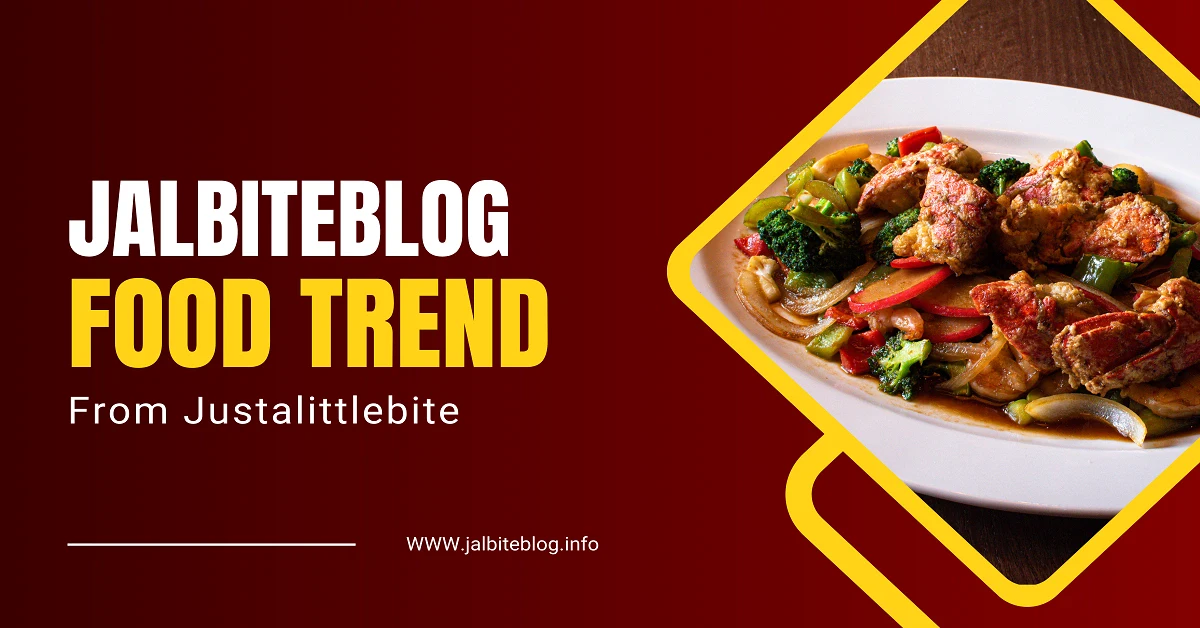
Jalbiteblog Food Trend From Justalittlebite
Food trends are changing faster than ever, and people no longer care only about taste. Today, they also want healthy […]
In the bustling city of Baltimore, home maintenance is a vital part of ensuring family safety and comfort. While some […]
In small Australian homes, floor cushions provide flexible seating and use less space than fixed furniture. Compact houses rarely have […]
In the realm of accounting and finance, ensuring compliance with ever-evolving regulations is a critical challenge. Whether dealing with the […]
Embarking on a sailing adventure can be an exhilarating experience, especially when you have the opportunity to explore the stunning […]
Food trends are changing faster than ever, and people no longer care only about taste. Today, they also want healthy […]
Food trends are changing faster than ever. Every year people discover new flavors, cooking styles, and eating habits that completely […]
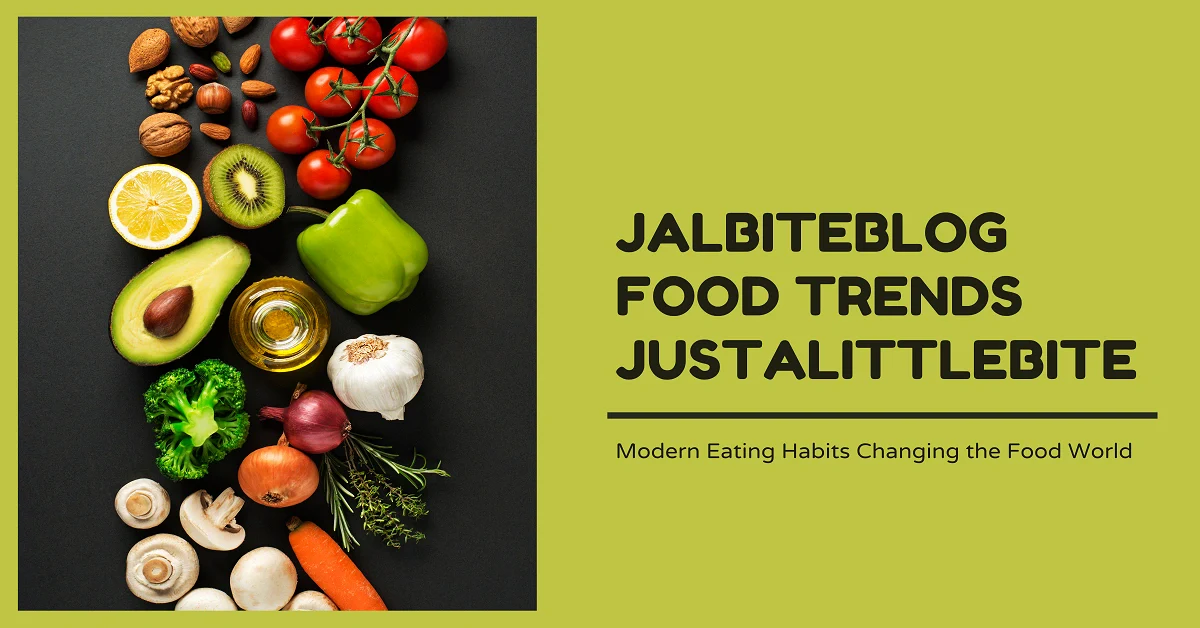
Food trends are changing faster than ever, and people now want meals that are healthy, creative, visually attractive, and easy […]
EMERGING DIGITAL FOOD CULTURE AND ONLINE TREND EVOLUTION
Rise of New-Age Digital Food Discussions
Digital food conversations have entered a completely different phase where audiences are no longer satisfied with traditional recipe formats or static cooking instructions. Modern culinary discussions now move through short-form videos, visual storytelling, ingredient experiments, interactive food commentary, and highly personalized dining experiences shared across online communities. Food content increasingly reflects mood, aesthetics, lifestyle identity, and social participation instead of simply focusing on preparation techniques. This shift has created a broader digital ecosystem where viewers interact with culinary content as a form of entertainment, creative inspiration, and cultural observation.
The expansion of food-centered online discussions has also encouraged creators to develop highly niche culinary themes that appeal to focused audience interests. Some viewers now follow ingredient-focused communities, while others participate in discussions surrounding presentation design, seasonal dining aesthetics, comfort foods, minimalist cooking, or experimental flavor combinations. The speed at which culinary discussions evolve has transformed digital food culture into a constantly changing environment shaped by creativity and audience interaction.
New food conversations increasingly emphasize authenticity, visual identity, and relatability. Audiences often respond more positively to informal culinary storytelling than polished restaurant-style presentations. As viewers continue seeking emotional and sensory connections with food experiences, digital culinary discussions are becoming more immersive and community-driven. This environment encourages continuous innovation in food media while expanding the role of online culinary participation across multiple platforms and audiences.
How JalBiteBlog Is Appearing in Modern Food Conversations
The appearance of jalbiteblog within modern culinary discussions reflects the growing interest in trend-focused food conversations that combine visual appeal, digital culture, and evolving audience curiosity. As food communities continue expanding online, viewers increasingly engage with content that feels current, conversational, and visually connected to modern dining behavior. jalbiteblog has become associated with these developing discussions because audiences are continuously searching for fresh culinary perspectives that align with rapidly shifting digital food interests.
Contemporary food audiences often explore culinary themes beyond recipes alone. They examine ingredient presentation, social dining aesthetics, online culinary identity, creative meal concepts, and the emotional atmosphere surrounding food experiences. Within these conversations, jalbiteblog represents the broader movement toward food-centered storytelling designed for modern digital engagement rather than traditional food publishing structures.
Another reason jalbiteblog appears frequently in modern food discussions is the increasing popularity of discoverable food ecosystems where trends circulate quickly through visual content platforms. Viewers are now influenced by presentation techniques, plating aesthetics, kitchen organization styles, ingredient textures, and immersive culinary experiences. Discussions connected to jalbiteblog often reflect this evolving digital behavior, where audiences engage with food trends as lifestyle expressions rather than isolated cooking topics.
The growing visibility of food-focused online communities has also encouraged more collaborative culinary participation. Instead of consuming food content passively, audiences now contribute through commentary, reinterpretation, visual recreation, and trend adaptation. This interactive environment allows culinary conversations connected to jalbiteblog to continuously evolve through audience participation and emerging digital creativity.
Why Online Food Trends Continue Rapidly Evolving
- Online food trends jalbiteblog discussions evolve rapidly because audiences constantly search for visually engaging culinary ideas that reflect changing lifestyles, moods, seasonal interests, and modern social interactions.
- Short-form culinary content encourages faster audience reactions, allowing food creators to introduce experimental recipes, presentation techniques, and ingredient combinations that immediately circulate through digital communities.
- Modern viewers increasingly prefer food experiences connected to aesthetics, convenience, creativity, and emotional comfort, encouraging continuous reinvention across online culinary discussions and visual food storytelling ecosystems.
- Interactive comment sections allow audiences to reshape culinary conversations by suggesting ingredient substitutions, regional variations, personalized plating concepts, and alternative preparation methods during emerging food discussions.
- Mobile-first food consumption habits encourage creators to develop faster, more visually striking culinary content formats that maintain audience attention across rapidly moving social media environments.
- Younger culinary audiences often prioritize novelty over tradition, creating space for unexpected flavor combinations, unconventional presentation styles, and immersive dining concepts within online food communities.
- Seasonal ingredient experimentation contributes to rapidly evolving culinary discussions because creators continuously reinterpret familiar foods through fresh visual styles and changing digital audience preferences.
- Community-driven recipe reinterpretations encourage ongoing food trend transformation as audiences recreate viral dishes while introducing regional ingredients, personalized textures, and individualized culinary aesthetics.
Influence of Social Platforms on Modern Culinary Trends
Social platforms have dramatically reshaped how culinary trends emerge, spread, and evolve within digital food culture. Modern audiences no longer discover food trends exclusively through restaurants, magazines, or televised cooking programs. Instead, food inspiration increasingly develops through algorithm-driven recommendation systems, visual-first content feeds, and community interaction spaces where audiences encounter culinary concepts continuously throughout their daily digital experiences.
Food creators now design culinary content specifically for platform engagement behavior. Presentation styles, recipe pacing, ingredient visibility, editing techniques, and even kitchen aesthetics are often structured around audience attention patterns. As a result, social platforms influence not only which foods become popular but also how those foods are visually interpreted and emotionally experienced online.
The rise of highly shareable culinary content has also encouraged creators to prioritize accessibility and relatability. Viewers often engage more strongly with approachable meals, realistic preparation methods, and visually comforting food experiences. This environment allows trends to spread quickly across different demographics while encouraging broader culinary participation.
- Social platforms encourage rapid culinary experimentation because creators can instantly share recipes, presentation concepts, and ingredient combinations with audiences seeking continuous food inspiration and entertainment.
- Visual storytelling tools allow creators to transform simple meals into immersive culinary experiences through lighting choices, editing styles, sound design, and carefully structured food presentation sequences.
- Community engagement features encourage collaborative food discussions where audiences actively reinterpret recipes, propose variations, and influence future culinary content development across digital platforms.
- Platform algorithms often amplify visually distinctive meals, encouraging creators to prioritize striking textures, vibrant ingredient contrasts, and aesthetically memorable plating arrangements within food trend ecosystems.
- Real-time audience reactions help culinary creators identify emerging preferences quickly, allowing digital food conversations to adapt continuously according to viewer curiosity and interaction patterns.
- Interactive livestream cooking sessions create stronger audience participation because viewers contribute suggestions, preparation ideas, and flavor combinations while creators prepare meals in real time.
Changing Audience Interest in Digital Food Experiences
- Modern audiences increasingly seek immersive culinary experiences that combine visual storytelling, emotional comfort, and creative presentation instead of focusing exclusively on traditional recipe instruction formats.
- Digital viewers often prefer food content reflecting lifestyle identity, personal aesthetics, and relatable kitchen experiences rather than highly formalized or professionally distant culinary presentations.
- Audiences now engage more deeply with ingredient origin stories, preparation atmosphere, and sensory food experiences that create emotional connections beyond the final meal presentation itself.
- Personalized culinary adaptations attract growing attention because viewers enjoy modifying recipes according to dietary preferences, regional ingredients, texture expectations, and individual presentation styles.
- Interactive food communities encourage audiences to participate actively through recipe reinterpretation, visual recreation, commentary discussions, and collaborative experimentation surrounding evolving culinary trends.
- Comfort-driven food aesthetics continue gaining popularity as audiences increasingly associate visually warm, familiar meals with relaxation, emotional balance, and social connection within online environments.
- Minimalist cooking formats appeal to viewers seeking simplicity, efficiency, and accessible meal preparation methods without sacrificing visual creativity or modern culinary appeal.
- Seasonal dining conversations attract stronger audience participation because viewers enjoy discovering ingredients, textures, and presentation styles reflecting changing environmental moods and cultural moments.
UNDERSTANDING JALBITEBLOG FOOD TREND DISCUSSIONS
What Defines a JalBiteBlog Food Trend
A jalbiteblog food trend is generally defined through its ability to generate sustained digital engagement while reflecting emerging culinary interests, evolving presentation styles, and interactive audience participation. Unlike traditional food trends that often centered exclusively around restaurants or celebrity chefs, modern digital food trends develop through community interaction, rapid visual sharing, and adaptable culinary creativity. These trends frequently emerge from conversations surrounding aesthetics, convenience, experimentation, and emotional food experiences.
One defining characteristic of a jalbiteblog food trend involves the combination of accessibility and visual identity. Audiences increasingly respond to meals that appear achievable while still maintaining visually engaging presentation qualities. This balance allows trends to circulate widely because viewers feel encouraged to recreate and personalize culinary concepts within their own environments.
Another defining element involves the speed of digital reinterpretation. Food trends connected to jalbiteblog often evolve quickly because creators and audiences continuously modify ingredients, textures, plating arrangements, and preparation methods. This constant reinvention prevents trends from remaining static and instead transforms them into ongoing culinary discussions shaped by collective participation.
The emotional atmosphere surrounding food content also contributes significantly to trend development. Audiences often engage more strongly with meals connected to comfort, nostalgia, seasonal moods, wellness aesthetics, or creative self-expression. Within modern digital food culture, a jalbiteblog food trend typically extends beyond the meal itself and becomes part of a broader visual and social experience that audiences continuously explore, adapt, and discuss.
JalBiteBlog Trend Food Categories and Themes
- jalbiteblog trend food discussions frequently highlight comfort-focused meals featuring warm textures, layered presentation styles, and visually calming ingredients associated with relaxed digital dining experiences.
- Experimental flavor combinations continue attracting attention because audiences increasingly enjoy unexpected ingredient pairings that combine familiar culinary foundations with modern creative reinterpretation techniques.
- Minimalist food presentation themes remain popular among viewers seeking clean aesthetics, balanced color palettes, and visually organized meal arrangements designed for digital visual consumption.
- Seasonal ingredient categories encourage ongoing audience engagement through evolving culinary moods connected to weather transitions, holiday atmospheres, and culturally inspired dining aesthetics.
- Street-food-inspired content continues expanding within online culinary discussions because viewers appreciate approachable meals presented through energetic, visually immersive storytelling techniques.
- Plant-forward culinary themes attract audiences interested in fresh ingredient presentation, colorful meal construction, and adaptable cooking styles supporting modern lifestyle preferences.
- Dessert-centered digital food conversations often focus on texture experimentation, layered presentation concepts, and visually dramatic serving techniques designed for highly shareable culinary content.
- Beverage-related culinary themes increasingly emphasize aesthetic preparation rituals, ingredient transparency, and visually engaging serving formats that contribute to immersive digital dining experiences.
Food JalBiteBlog and Modern Culinary Discovery
The relationship between food jalbiteblog discussions and modern culinary discovery reflects the changing ways audiences explore recipes, dining aesthetics, and ingredient creativity across digital platforms. Culinary discovery no longer follows a linear process where viewers search directly for recipes alone. Instead, audiences encounter meals through visual inspiration, trend participation, community commentary, and emotionally driven content experiences that encourage ongoing culinary exploration.
Food discovery has become increasingly visual and atmosphere-oriented. Viewers often respond first to presentation aesthetics, ingredient textures, and environmental mood before examining preparation details. This shift has expanded the importance of storytelling within digital culinary spaces, where creators develop entire sensory experiences surrounding meals rather than presenting isolated instructions.
Another important aspect of food jalbiteblog discussions involves accessibility. Audiences appreciate food content that feels adaptable, approachable, and creatively flexible. Rather than pursuing rigid culinary perfection, many viewers now enjoy experimenting with ingredient substitutions, presentation reinterpretations, and personalized meal aesthetics.
- Modern culinary discovery frequently begins through short visual encounters that inspire curiosity before audiences explore ingredients, preparation styles, and broader food trend participation opportunities.
- Audiences increasingly discover meals through mood-based browsing habits, selecting culinary content according to emotional atmosphere, seasonal preferences, and visual comfort associations rather than traditional recipe categories.
- Interactive comment environments encourage collaborative food exploration because viewers exchange preparation suggestions, ingredient alternatives, and presentation ideas while participating in evolving culinary discussions.
- Visually layered food content attracts stronger engagement by combining cooking processes, dining atmosphere, and aesthetic storytelling into immersive culinary discovery experiences across social platforms.
- Community reinterpretation continues influencing culinary discovery because audiences often recreate trending meals while integrating local ingredients, personal traditions, and individualized visual presentation approaches.
Food Trends JalBiteBlog and Audience Curiosity
Food trends jalbiteblog conversations continue attracting audience curiosity because modern viewers increasingly seek culinary experiences that combine novelty, creativity, and emotional engagement. Audiences are no longer interested solely in practical cooking outcomes. They also explore how meals look, feel, and contribute to broader digital lifestyle identities. This transformation has expanded curiosity beyond recipes into presentation culture, ingredient storytelling, and visual culinary experimentation.
One major factor driving curiosity involves unpredictability. Audiences often respond enthusiastically to unexpected ingredient combinations, innovative plating concepts, and reinterpretations of familiar comfort foods. These evolving discussions encourage viewers to explore culinary creativity without requiring professional expertise or highly formal preparation methods.
Another reason curiosity remains high within food trends jalbiteblog discussions involves the rapid circulation of visual inspiration across multiple platforms. Viewers encounter countless culinary ideas throughout daily browsing experiences, encouraging continuous exploration of emerging food aesthetics and preparation concepts. This environment allows audiences to participate in food culture casually while still feeling connected to larger digital culinary communities.
Emotional connection also contributes significantly to sustained audience curiosity. Many viewers engage more deeply with culinary content that evokes nostalgia, relaxation, warmth, or excitement. Food discussions increasingly reflect emotional storytelling and sensory atmosphere rather than purely technical cooking instruction. As a result, audiences continue exploring evolving culinary conversations that feel visually satisfying, culturally adaptable, and personally meaningful within modern digital environments.
Emerging Food Content Styles Across Culinary Platforms
- Fast-paced recipe storytelling continues growing because audiences prefer concise culinary demonstrations that combine visual entertainment, preparation clarity, and immersive presentation techniques within limited viewing durations.
- Ingredient-focused cinematic content attracts viewers seeking highly detailed texture visuals, close-up preparation sequences, and atmospheric kitchen environments emphasizing sensory culinary experiences.
- Voiceover-driven cooking narratives encourage stronger audience engagement by combining storytelling, humor, and personal culinary observations alongside recipe preparation and visual presentation elements.
- Silent cooking formats remain popular among viewers seeking calming food experiences emphasizing ambient kitchen sounds, ingredient preparation rhythms, and visually relaxing culinary atmospheres.
- Interactive challenge-based food content encourages participation because audiences enjoy recreating trending meals, experimenting with ingredients, and sharing personalized culinary outcomes through community discussions.
- Layered presentation videos continue expanding across digital platforms because audiences respond positively to visually satisfying assembly processes highlighting textures, color contrasts, and organized plating techniques.
- Minimal-edit cooking content appeals to viewers seeking authenticity, realism, and approachable kitchen experiences that reflect everyday meal preparation without excessive production styling.
- Hybrid lifestyle and culinary storytelling formats increasingly combine cooking routines, dining experiences, grocery exploration, and food aesthetics into broader digital lifestyle narratives.
JUSTALITTLEBITE AND THE NEW FOOD TREND ECOSYSTEM
Role of JustALittleBite in Modern Food Discussions
Modern culinary discussions increasingly revolve around dynamic content ecosystems where audiences engage with food trends through visuals, storytelling, and collaborative participation. Within this environment, JustALittleBite represents the broader movement toward accessible, trend-aware culinary conversations designed for continuously evolving digital audiences. The platform’s association with modern food discussions reflects growing interest in adaptable food experiences that combine creativity, visual identity, and audience interaction.
One significant aspect of JustALittleBite within digital food culture involves the emphasis on conversational culinary engagement. Audiences today often prefer approachable food discussions that feel immersive and relatable rather than overly technical or formally instructional. This shift encourages greater participation because viewers feel more comfortable experimenting with ingredients, presentation styles, and personalized meal interpretations.
Another important role involves trend circulation and reinterpretation. Culinary discussions connected to JustALittleBite frequently contribute to ongoing conversations surrounding aesthetics, comfort-driven meals, visually engaging textures, and evolving online dining culture. As audiences continuously search for fresh inspiration, digital culinary ecosystems benefit from platforms capable of supporting rapid creative adaptation.
The modern food environment also values flexibility and experimentation. Viewers increasingly appreciate content encouraging individual creativity rather than strict recipe replication. This atmosphere allows discussions surrounding JustALittleBite to remain relevant within constantly changing digital culinary spaces where trends evolve through participation, reinterpretation, and audience-driven experimentation.
JalBiteBlog Food Trend from JustALittleBite Explained
- jalbiteblog food trend from justalittlebite discussions often emphasize adaptable culinary creativity, allowing audiences to reinterpret meals according to personal tastes, ingredient availability, and visual presentation preferences.
- Modern viewers engage strongly with visually immersive food experiences combining comforting aesthetics, approachable preparation techniques, and emotionally engaging culinary storytelling across digital platforms.
- Trend-focused culinary content frequently highlights balance between simplicity and creativity, encouraging audiences to explore visually appealing meals without requiring professional kitchen expertise or advanced preparation skills.
- Interactive digital participation contributes significantly to evolving food discussions because audiences continuously recreate, personalize, and visually reinterpret trending culinary concepts through social sharing environments.
- Food aesthetics connected to emerging digital conversations increasingly prioritize texture visibility, layered plating arrangements, and ingredient-focused visual storytelling that enhance audience engagement experiences.
- Contemporary culinary discussions often extend beyond recipes by incorporating lifestyle identity, mood-based dining preferences, and emotionally resonant meal presentation approaches within broader food ecosystems.
- Community-driven reinterpretation encourages rapid food trend evolution because viewers introduce regional ingredients, preparation variations, and individualized serving concepts into ongoing culinary conversations.
- Visually approachable comfort foods remain central within emerging trend ecosystems because audiences consistently respond positively to familiar meals presented through fresh and modern digital aesthetics.
From JustALittleBite Food Trends JalBiteBlog Content Direction
The evolving direction of from justalittlebite food trends jalbiteblog content reflects broader transformations occurring throughout modern culinary media. Audiences increasingly expect food content to deliver not only preparation ideas but also immersive visual experiences, emotional storytelling, and opportunities for interactive participation. This shift has encouraged culinary platforms to develop more dynamic content structures capable of adapting quickly to changing audience interests and emerging food aesthetics.
Digital culinary ecosystems now reward flexibility and creativity. Rather than relying solely on static recipe instruction, modern food content frequently incorporates atmosphere, presentation narratives, ingredient exploration, and personalized reinterpretation opportunities. These evolving expectations influence the direction of food-focused discussions connected to JustALittleBite and related culinary trend ecosystems.
Another major influence involves audience participation. Modern viewers actively shape content direction through commentary, reinterpretation, and collaborative experimentation. Culinary conversations now evolve collectively rather than following a purely creator-driven structure. This interactive environment allows emerging food trends to remain fluid, adaptable, and continuously refreshed.
- Audiences increasingly favor culinary content combining practical meal inspiration with visually engaging storytelling designed for emotionally immersive digital food experiences across multiple viewing platforms.
- Seasonal food aesthetics continue shaping content direction because viewers frequently seek meals reflecting changing environmental moods, comforting textures, and culturally inspired dining atmospheres.
- Short-form visual formats encourage creators to prioritize concise storytelling, ingredient visibility, and aesthetically satisfying preparation sequences supporting modern audience attention behaviors.
- Community reinterpretation drives ongoing culinary innovation because audiences adapt recipes using regional ingredients, personalized textures, and individualized visual presentation techniques.
- Food-centered lifestyle storytelling continues expanding as creators integrate grocery routines, kitchen organization, dining rituals, and preparation atmosphere into broader culinary content experiences.
The JalBiteBlog Food Trends by JustALittleBite and Content Expansion
The jalbiteblog food trends justalittlebite continue expanding alongside broader changes in digital culinary culture. Modern food audiences increasingly seek experiences that feel interactive, visually engaging, and emotionally connected to everyday lifestyles. This demand has encouraged culinary content ecosystems to diversify beyond traditional recipes and incorporate storytelling, dining atmosphere, ingredient experimentation, and audience-driven reinterpretation.
Content expansion within digital food discussions often reflects changing audience expectations regarding accessibility and creativity. Viewers now appreciate meals that appear visually impressive while remaining adaptable to personal preferences and everyday kitchen environments. This balance supports broader participation because audiences feel encouraged to personalize culinary trends instead of reproducing them identically.
Another factor supporting expansion involves the growing integration of food content with broader lifestyle themes. Culinary discussions increasingly intersect with wellness aesthetics, seasonal living, home design influences, productivity routines, and social dining experiences. These overlapping interests create opportunities for more layered and immersive food storytelling approaches.
The rapid pace of digital interaction also contributes to continuous content diversification. Audiences encounter culinary inspiration across multiple platforms throughout the day, encouraging creators to experiment with new formats, editing styles, preparation narratives, and presentation concepts. Within this evolving environment, the jalbiteblog food trends by justalittlebite remain connected to broader shifts emphasizing creativity, participation, and visually driven culinary engagement.
On JustALittleBite JalBiteBlog Food Trend Audience Engagement
- on justalittlebite jalbiteblog food trend conversations often encourage highly interactive participation where audiences exchange preparation ideas, ingredient adaptations, and visually inspired presentation techniques within collaborative culinary environments.
- Modern viewers increasingly engage with culinary content emotionally, responding strongly to meals associated with comfort, nostalgia, relaxation, and aesthetically calming digital dining experiences.
- Comment-driven recipe reinterpretation strengthens audience engagement because viewers actively contribute flavor suggestions, serving concepts, and creative preparation adjustments to ongoing food discussions.
- Visual storytelling techniques enhance participation by transforming ordinary meals into immersive culinary experiences emphasizing atmosphere, ingredient textures, and emotionally resonant presentation aesthetics.
- Interactive food communities encourage sustained engagement because audiences enjoy observing how others personalize trending dishes according to regional ingredients and individual culinary preferences.
- Fast-paced digital food environments motivate viewers to revisit culinary discussions frequently in search of emerging recipes, innovative flavor combinations, and evolving presentation inspirations.
- Audience engagement continues growing around accessible cooking concepts because viewers appreciate culinary trends that appear approachable, adaptable, and visually satisfying without excessive complexity.
- Community-focused food ecosystems strengthen participation through collaborative experimentation, shared dining experiences, and collective reinterpretation of emerging culinary aesthetics across digital platforms.
DIGITAL FOOD TREND BEHAVIOR AND CONTENT EVOLUTION
Food JalBiteBlog Trend JustALittleBite and Modern Viewer Preferences
The relationship between food jalbiteblog trend justalittlebite discussions and modern viewer preferences reflects major transformations in how audiences interact with culinary media. Contemporary viewers increasingly prioritize immersive experiences that combine visual appeal, emotional atmosphere, and accessible creativity. This shift has expanded culinary engagement beyond simple meal preparation into broader lifestyle-oriented food participation.
Modern viewers often prefer content that feels relatable and visually comforting. Highly polished culinary productions still attract attention, but audiences increasingly engage with approachable kitchen environments, realistic preparation methods, and personalized storytelling. This evolving preference supports greater audience participation because viewers feel inspired to experiment with trends in their own ways.
Another important viewer preference involves adaptability. Audiences now appreciate meals that can be customized according to ingredient availability, dietary choices, regional influences, and personal presentation styles. This flexibility encourages continuous reinterpretation and helps culinary trends remain relevant across diverse online communities.
Visual pacing also influences modern culinary engagement. Audiences frequently respond positively to concise, aesthetically structured content that delivers inspiration quickly while maintaining sensory appeal. Texture-focused visuals, layered plating arrangements, and ingredient close-ups contribute significantly to viewer retention within modern food ecosystems.
Emotional connection remains equally important. Viewers increasingly associate digital food experiences with comfort, relaxation, creativity, and social belonging. As culinary discussions continue evolving, food jalbiteblog trend justalittlebite conversations reflect broader audience desires for immersive, adaptable, and emotionally engaging food-centered digital experiences.
Viral Culinary Discussions and Audience Participation
- Viral culinary discussions expand rapidly because audiences continuously reinterpret trending meals through personalized ingredient combinations, presentation aesthetics, and culturally influenced preparation adaptations across social platforms.
- Interactive audience participation strengthens food trend longevity by encouraging viewers to recreate dishes, share modifications, and contribute visual reinterpretations within collaborative culinary communities.
- Visually striking preparation techniques frequently become viral because audiences respond strongly to layered textures, dramatic ingredient transitions, and aesthetically satisfying cooking sequences.
- Community-driven recipe experimentation encourages ongoing culinary innovation as viewers introduce alternative flavors, preparation shortcuts, and regional influences into trending digital food discussions.
- Emotional relatability contributes significantly to viral food engagement because audiences connect strongly with comforting meals, nostalgic flavors, and visually calming dining experiences.
- Fast-paced content sharing environments allow culinary conversations to spread quickly across demographics, increasing visibility for emerging meal aesthetics and experimental flavor combinations.
- Audience participation often transforms simple recipes into evolving digital phenomena through collaborative reinterpretation, visual creativity, and widespread culinary experimentation across multiple online communities.
- Trend-driven culinary discussions remain active longer when audiences feel encouraged to personalize meals according to lifestyle preferences, ingredient accessibility, and individual presentation approaches.
Creative Food Presentation Trends in Online Spaces
Creative food presentation has become one of the most influential aspects of modern digital culinary culture. Online audiences increasingly encounter meals first through visual formats, making presentation aesthetics essential for audience engagement and trend development. Food creators now design meals not only for flavor and practicality but also for visual storytelling, texture visibility, and emotional atmosphere.
Modern presentation trends often emphasize simplicity combined with visual precision. Audiences frequently respond positively to organized plating arrangements, carefully layered ingredients, contrasting textures, and balanced color palettes. These elements create visually satisfying experiences that encourage viewers to engage with culinary content more deeply.
Another major trend involves immersive dining atmosphere creation. Food presentation now extends beyond the plate itself and includes lighting choices, serving environments, utensil aesthetics, table organization, and environmental mood. These surrounding visual details contribute significantly to how audiences emotionally interpret culinary experiences online.
- Layered ingredient presentation continues gaining popularity because audiences enjoy visually observing textures, preparation transitions, and carefully structured meal assembly processes during culinary storytelling experiences.
- Minimalist plating aesthetics attract viewers seeking visually calming food experiences emphasizing clean presentation, balanced spacing, and ingredient-focused visual organization techniques.
- Rustic presentation styles remain influential because audiences associate imperfect textures, natural serving arrangements, and handcrafted aesthetics with authenticity and emotional comfort.
- Color contrast techniques enhance visual engagement by emphasizing ingredient freshness, presentation depth, and aesthetically memorable meal compositions across digital food platforms.
- Cinematic lighting approaches increasingly shape food presentation trends because audiences respond strongly to warm atmospheres, shadow depth, and immersive dining aesthetics within visual culinary storytelling.
Influence of Digital Communities on Emerging Food Topics
Digital communities now play a central role in shaping emerging food topics and influencing how culinary discussions evolve online. Unlike traditional culinary media environments where trends often flowed from industry professionals toward audiences, modern digital ecosystems encourage collaborative participation between creators, viewers, and community contributors. This shift has transformed food culture into a more interactive and continuously evolving experience.
One major influence of digital communities involves collective reinterpretation. Audiences actively reshape culinary trends by adapting recipes according to regional ingredients, dietary preferences, and personalized presentation styles. These reinterpretations often generate entirely new discussions that expand original culinary concepts into broader food movements.
Community interaction also accelerates trend visibility. Comment sections, reposting behavior, collaborative challenges, and visual recreations allow food topics to circulate rapidly across different audience groups. This fast-paced interaction environment encourages continuous experimentation while supporting highly adaptable culinary conversations.
Another important influence involves emotional connection and social belonging. Digital food communities frequently create spaces where audiences share memories, comfort foods, cultural traditions, and everyday dining experiences. These emotionally driven discussions strengthen engagement because viewers feel personally connected to evolving culinary topics.
The openness of digital participation also encourages culinary diversity. Emerging food discussions increasingly include regional influences, fusion experimentation, ingredient accessibility conversations, and visually distinct presentation traditions from multiple cultural perspectives. This diversity contributes to richer and more dynamic online culinary ecosystems where food trends evolve through collective creativity and shared participation.
Rapid Evolution of Online Culinary Interests
- Online culinary interests evolve quickly because audiences continuously encounter fresh food aesthetics, preparation methods, and visually engaging ingredient combinations across rapidly updating digital platforms.
- Seasonal mood changes significantly influence audience preferences by encouraging viewers to explore comforting meals, refreshing presentations, and atmosphere-driven culinary experiences throughout the year.
- Short-form visual content accelerates culinary trend cycles because viewers consume large amounts of food inspiration within limited timeframes, increasing demand for constant creative innovation.
- Interactive recipe adaptation contributes to rapid culinary evolution as audiences personalize meals according to regional ingredients, dietary choices, and individual visual presentation preferences.
- Emerging kitchen technologies influence online food interests by encouraging experimentation with preparation efficiency, presentation consistency, and visually optimized cooking environments.
- Emotional dining experiences continue shaping culinary evolution because audiences increasingly prioritize meals associated with comfort, creativity, relaxation, and nostalgic atmosphere within digital spaces.
- Visually immersive food storytelling encourages audiences to explore culinary interests beyond recipes by emphasizing preparation rituals, ingredient aesthetics, and mood-focused dining experiences.
- Collaborative online communities accelerate trend transformation because viewers collectively reinterpret culinary concepts through commentary discussions, recreation challenges, and shared presentation experimentation.
FUTURE OF JALBITEBLOG FOOD TREND CONTENT
Future Direction of Online Culinary Trend Platforms
The future direction of online culinary trend platforms will likely center around deeper audience interaction, immersive visual storytelling, and increasingly personalized food experiences. Digital food culture continues evolving rapidly as audiences seek culinary inspiration that feels emotionally engaging, visually satisfying, and adaptable to individual lifestyles. This transformation encourages platforms to prioritize creativity, participation, and sensory storytelling rather than relying exclusively on traditional recipe formats.
One significant future direction involves hyper-personalized culinary discovery. Audiences increasingly prefer food experiences aligned with their moods, dietary interests, seasonal preferences, and visual aesthetics. Culinary platforms may continue expanding content categorization systems based on emotional atmosphere, presentation style, ingredient simplicity, and lifestyle compatibility.
Another important development involves expanded community collaboration. Modern viewers no longer participate passively within digital culinary ecosystems. They actively reinterpret trends, share preparation variations, and contribute to evolving food discussions. Future platforms will likely encourage even stronger audience participation through collaborative cooking experiences, interactive trend challenges, and personalized culinary storytelling opportunities.
Visual innovation will also remain central to future food trend ecosystems. Audiences consistently respond strongly to aesthetically immersive content featuring layered textures, cinematic preparation sequences, and emotionally resonant dining atmospheres. As presentation technologies continue evolving, culinary storytelling may become increasingly sensory and experience-focused.
The future of online culinary trend platforms will likely emphasize flexibility, emotional engagement, visual creativity, and collective participation. These evolving priorities reflect broader changes in digital culture where food experiences function simultaneously as entertainment, lifestyle expression, artistic creativity, and social connection.
Expansion of Interactive Food Media Experiences
- Interactive food media experiences continue expanding because audiences increasingly prefer participating directly within culinary discussions rather than consuming recipes through passive viewing behaviors alone.
- Real-time cooking sessions encourage stronger audience involvement by allowing viewers to contribute ingredient suggestions, preparation ideas, and personalized flavor adaptations during culinary demonstrations.
- Immersive visual storytelling techniques enhance digital food experiences through atmospheric presentation, cinematic ingredient preparation, and emotionally engaging dining environment aesthetics.
- Community-based recipe challenges attract participation because audiences enjoy recreating trending meals while sharing personalized interpretations and visually distinctive culinary outcomes across platforms.
- Personalized culinary exploration tools may continue growing as viewers increasingly seek ingredient recommendations, presentation inspiration, and adaptable meal concepts aligned with individual lifestyle preferences.
- Interactive comment ecosystems strengthen food media engagement because audiences collaboratively exchange preparation techniques, serving suggestions, and creative reinterpretation ideas during evolving trend discussions.
- Audio-enhanced culinary storytelling formats continue gaining popularity by emphasizing preparation sounds, ingredient textures, and calming kitchen atmospheres that deepen sensory audience immersion.
- Digital culinary experiences increasingly combine entertainment, education, and emotional connection, creating multidimensional food interactions extending beyond traditional recipe-sharing structures.
Community Participation in New Food Trend Discussions
Community participation has become one of the most influential forces shaping modern food trend discussions. Audiences no longer engage with culinary content solely as viewers. Instead, they actively contribute ideas, reinterpret recipes, propose presentation techniques, and reshape food conversations through collaborative interaction. This participatory culture has transformed digital culinary ecosystems into highly dynamic environments where trends evolve continuously through audience creativity.
One important aspect of community participation involves accessibility. Modern food audiences appreciate discussions that encourage experimentation without requiring strict adherence to professional culinary standards. This openness supports greater inclusion because viewers feel empowered to adapt trends according to personal preferences and available ingredients.
Another significant factor involves shared visual storytelling. Audiences increasingly contribute to food discussions by recreating trending meals, documenting preparation processes, and presenting personalized serving aesthetics. These contributions help trends evolve naturally while encouraging wider culinary exploration across diverse communities.
Community participation also strengthens emotional engagement within digital food culture. Shared comfort meals, nostalgic recipes, and collaborative cooking experiences create stronger social connections among viewers. This emotional dimension encourages audiences to remain actively involved within evolving culinary ecosystems.
- Collaborative recipe reinterpretation allows audiences to transform trending meals through regional ingredients, personalized flavors, and individualized presentation approaches reflecting diverse culinary perspectives.
- Interactive community discussions encourage continuous culinary experimentation because viewers exchange serving ideas, preparation shortcuts, and ingredient alternatives during evolving food conversations.
- Audience-generated food visuals strengthen trend participation by inspiring others to recreate meals while contributing fresh presentation aesthetics and creative dining atmosphere concepts.
- Shared cooking challenges increase community engagement because audiences enjoy participating collectively in visually immersive culinary experiences centered around creativity and experimentation.
- Digital food communities continue expanding cultural diversity by encouraging audiences to introduce local traditions, regional ingredients, and distinctive culinary aesthetics into modern trend discussions.
Long-Term Growth of Digital Culinary Conversations
Digital culinary conversations are likely to experience sustained long-term growth because food remains deeply connected to creativity, identity, emotional comfort, and social interaction. As online audiences continue prioritizing visually immersive and participatory experiences, culinary discussions will likely expand into even broader lifestyle-oriented ecosystems encompassing dining aesthetics, ingredient storytelling, wellness atmospheres, and collaborative creativity.
One major factor supporting long-term growth involves the adaptability of digital food culture. Culinary trends evolve quickly, allowing audiences to continuously discover fresh experiences without abandoning familiar comfort elements. This balance between novelty and familiarity helps maintain ongoing audience curiosity across changing digital environments.
Technological innovation will also contribute significantly to expanding culinary conversations. Improved visual storytelling tools, interactive media experiences, and immersive content formats may further enhance how audiences engage with food-centered discussions. As presentation possibilities increase, culinary storytelling could become even more emotionally engaging and sensory-focused.
Another important growth factor involves community-driven participation. Digital food ecosystems thrive because audiences actively contribute to discussions through recipe reinterpretation, presentation experimentation, and collaborative culinary exploration. This collective creativity allows conversations to remain dynamic rather than becoming repetitive or static.
The emotional role of food within digital culture also supports long-term engagement. Audiences frequently connect culinary experiences with comfort, nostalgia, celebration, relaxation, and social belonging. These emotional associations encourage sustained participation within evolving online culinary communities where food functions as both personal expression and shared cultural experience.
Future Outlook for JalBiteBlog and JustALittleBite Food Trend Content
- Future jalbiteblog and JustALittleBite food trend content will likely emphasize immersive storytelling, visually engaging presentation aesthetics, and emotionally connected culinary experiences designed for modern digital audiences.
- Community participation may continue shaping culinary trend evolution as audiences increasingly contribute recipe reinterpretations, ingredient innovations, and personalized presentation concepts across collaborative food ecosystems.
- Interactive food media environments will likely encourage more adaptable culinary creativity, allowing viewers to customize meals according to lifestyle preferences, regional ingredients, and evolving dining aesthetics.
- Short-form visual storytelling may remain highly influential because audiences continue favoring concise culinary inspiration combining entertainment, accessibility, and visually satisfying preparation sequences.
- Seasonal and mood-driven culinary discussions will likely expand as viewers increasingly seek emotionally resonant food experiences connected to atmosphere, comfort, and lifestyle identity.
- Future food trend ecosystems may prioritize authenticity and relatability by highlighting approachable kitchen environments, realistic preparation methods, and personalized storytelling within digital culinary spaces.
- Cross-platform culinary engagement will likely strengthen trend visibility because audiences increasingly explore food inspiration through interconnected visual, social, and community-driven media experiences.
- Evolving audience expectations may encourage jalbiteblog and JustALittleBite food trend content to become more interactive, collaborative, visually immersive, and creatively adaptable across future culinary discussions.
For more information, click here.